
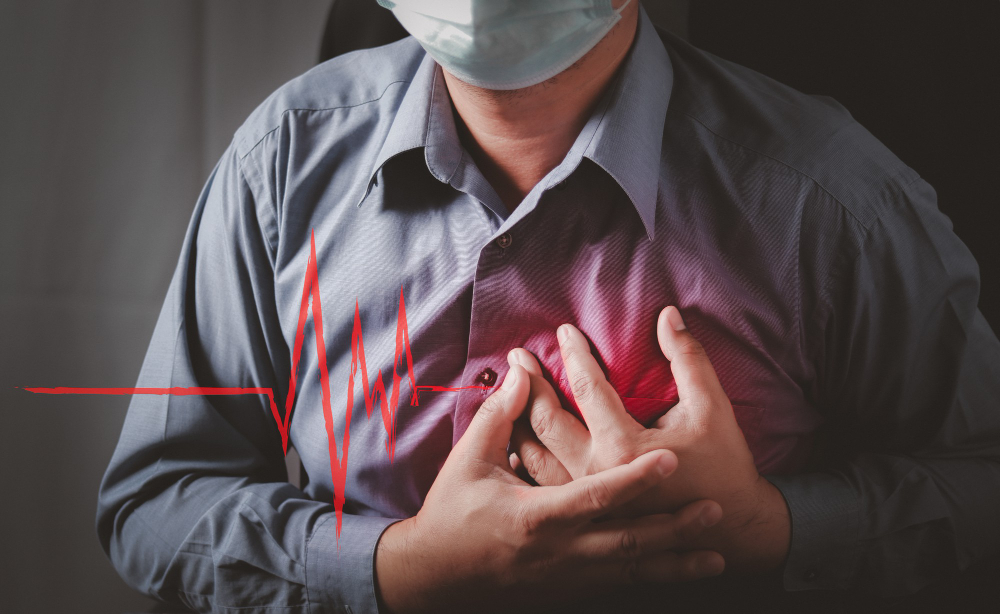
What is Heart Failure?
Heart failure is a condition where the heart cannot pump blood as well as it should. Because of this, the body may not get enough oxygen and nutrients. Although the name sounds scary, heart failure does not mean the heart has stopped working. Instead, it means the heart is weaker or stiffer than normal. As a result, daily activities may become harder. According to the World Health Organization, heart failure affects millions of people worldwide. Early detection and treatment for heart failure can help people live longer and feel better.
Common Symptoms of Heart Failure
Recognizing the signs of heart failure is important. Early symptoms may be mild, but they can get worse over time. For example, you might feel tired more often. Or, you may notice swelling in your legs. Here are some common symptoms:
However, not everyone has all these symptoms. If you notice any of these signs, it is important to talk to a doctor.
Causes and Risk Factors
Many things can cause heart failure. Sometimes, it develops after other heart problems. For instance, high blood pressure can make the heart work harder. Over time, this can weaken the heart. Other common causes include:
In addition, certain lifestyle choices can raise your risk. Smoking, eating unhealthy foods, and not exercising can all contribute. Age also plays a role, as heart failure is more common in older adults.
How Heart Failure is Diagnosed
Doctors use several steps to make a heart failure diagnosis. First, they ask about your symptoms and medical history. Next, they perform a physical exam. After that, they may order tests to check your heart’s function. Common tests include:
With these tests, doctors can find the cause and decide on the best treatment for heart failure.
Treatment Options for Heart Failure
Treating heart failure often involves several steps. While medicines are common, lifestyle changes are also important. In some cases, medical devices or surgery may help. Here are some treatment options:
Because each person is different, doctors create a plan that fits your needs. Regular check-ups help track progress and adjust treatment as needed.
Lifestyle Tips and Prevention
Although heart failure can be serious, you can take steps to lower your risk. Even small changes can make a big difference. For example, eating healthy foods helps protect your heart. Here are some tips for preventing heart failure:
Additionally, regular doctor visits can catch problems early. By following these steps, you can help keep your heart strong.
When to See a Doctor
Sometimes, symptoms of heart failure can be mild. However, it is important to seek help if you notice changes. Call your doctor if you have:
Early treatment can prevent serious problems. Do not wait if you feel unwell. Your doctor can help find the cause and suggest the right care.
Consult a cardiologist Dr. Ramakrishunudu for personalized advice on heart failure.