
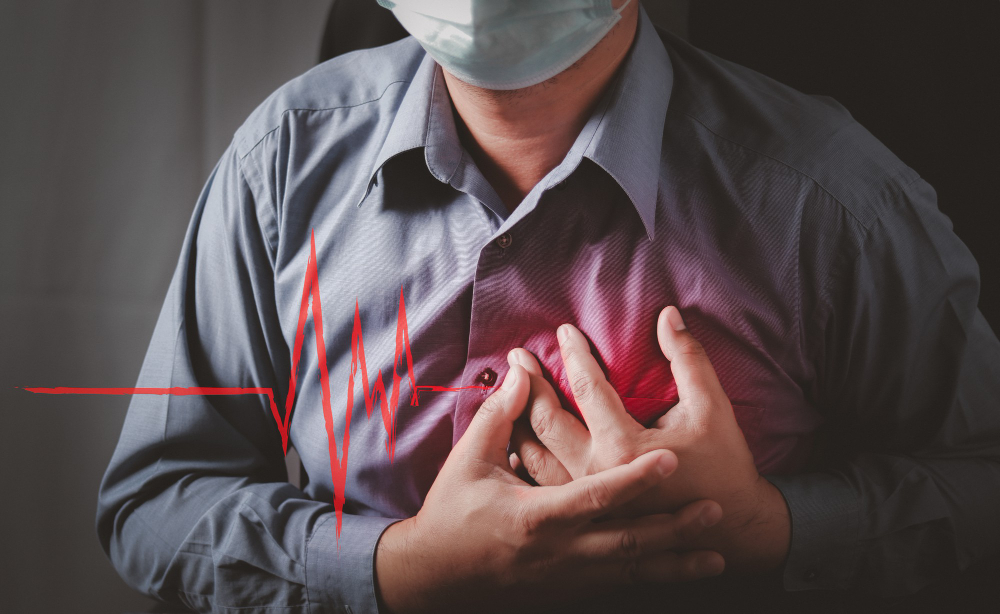
What Are Arrhythmias?
Arrhythmias are problems with the heart’s rhythm. Normally, your heart beats in a steady pattern. However, with arrhythmias, the heartbeat can be too fast, too slow, or irregular. Because arrhythmias can affect anyone, it is important to know the basics. There are different types of arrhythmias, such as atrial fibrillation, bradycardia, and ventricular tachycardia. Each type affects the heart in a unique way. According to the World Health Organization (WHO), arrhythmias are a common heart issue worldwide.
Common Symptoms of Arrhythmias
Arrhythmia symptoms can vary. Some people may not notice any signs. Others may feel symptoms that affect daily life. For example, you might feel your heart racing or skipping beats. It is important to pay attention to these signs. Common symptoms include:
Sometimes, symptoms come and go. But if you notice any of these, you should talk to a doctor.
Causes and Risk Factors
Arrhythmias can happen for many reasons. Often, they are linked to changes in the heart’s structure or function. But lifestyle and health conditions also play a role. Some common causes and risk factors include:
Because some risk factors can be controlled, making healthy choices may help lower your risk.
How Arrhythmias Are Diagnosed
Doctors use several tests to diagnose arrhythmias. First, they will ask about your symptoms and health history. Next, they may perform a physical exam. Common tests include:
Because arrhythmias can be hard to catch, these tests help doctors find the cause.
Treatment Options for Arrhythmias
Arrhythmia treatment options depend on the type and cause. Some people may not need treatment if symptoms are mild. However, others may need medicine or procedures. Common treatments include:
Because each person is different, your doctor will suggest the best treatment for you.
Lifestyle Tips and Prevention
While not all arrhythmias can be prevented, healthy habits can lower your risk. For example, you can:
Because prevention is key, these steps can help you stay healthy and reduce your risk of arrhythmias.
When to See a Doctor
If you notice symptoms like chest pain, fainting, or severe shortness of breath, seek help right away. Even if symptoms are mild, it is wise to talk to your doctor. Early diagnosis and treatment can prevent serious problems. Remember, arrhythmias can be managed with the right care.
For personalized advice on arrhythmias, consult a cardiologist Dr. Ramakrishunudu. Your heart health matters.